


France · Costa Rica · Dubai, UAE
Native in Spanish and French, fluent in English. 15+ years in fintech and payments, from Costa Rica to Dubai.

France · Costa Rica · Dubai, UAE
Native in Spanish and French, fluent in English. 15+ years in fintech and payments, from Costa Rica to Dubai.
Expertise · 1/6
Real-time card-to-card payments over Visa Direct and Mastercard Send, domestic and cross-border, in six countries at Kash.
How Kash workedExpertise · 2/6
Real-time Visa card issuing at Qashio in the UAE, Saudi Arabia and Europe, ready for Apple Pay and Google Pay. A digital wallet with 1M+ users at Kulu.
How a Qashio card worksExpertise · 3/6
KYC limits that grow with each check at Kash. 100+ NESA security controls designed in at Qashio, and a fully on-premise deployment for Saudi Arabia. Oxford Cyber Security for Business Leaders, 2023.
Expertise · 4/6
100% serverless on AWS Lambda at Kash, so cost followed volume instead of servers. Every Qashio transaction synced to the customer's ERP. AI spend tracked with FinOps alerts at Kulu.
Expertise · 5/6
An agentic platform in production for more than a year at Kulu: under an hour from a customer complaint to a reviewed pull request, and about 5x engineering output.
My point of view: AI moved the bottleneckExpertise · 6/6
CTO since 2018. A technology team of 50+ at Qashio and about 100 people at Kulu, with launches in Latin America, the UAE, Saudi Arabia, Europe and West Africa.
How I lead engineeringDrag to browse, click a video to play it.
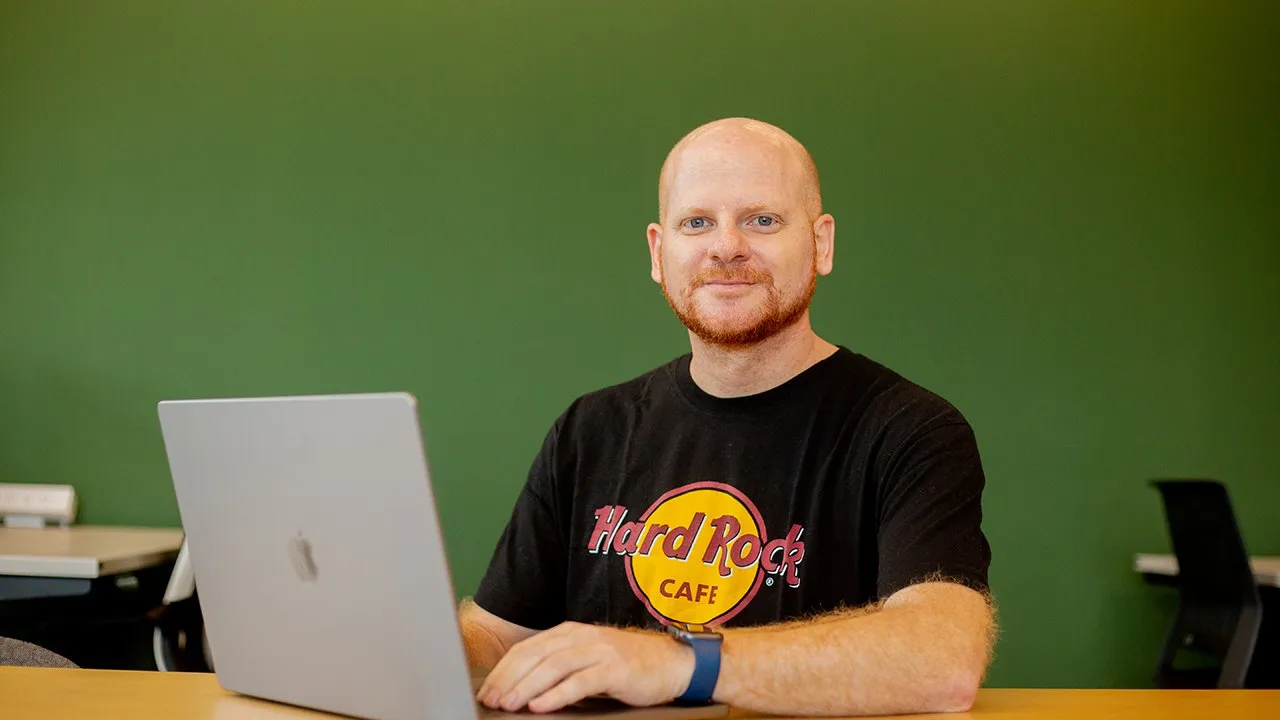 El rol del CTO en la era de la IA, Fintech y el mercado en DubaiListen on DataLatam
 Qashio wants to transform corporate expense management in MENARead on IncArabia
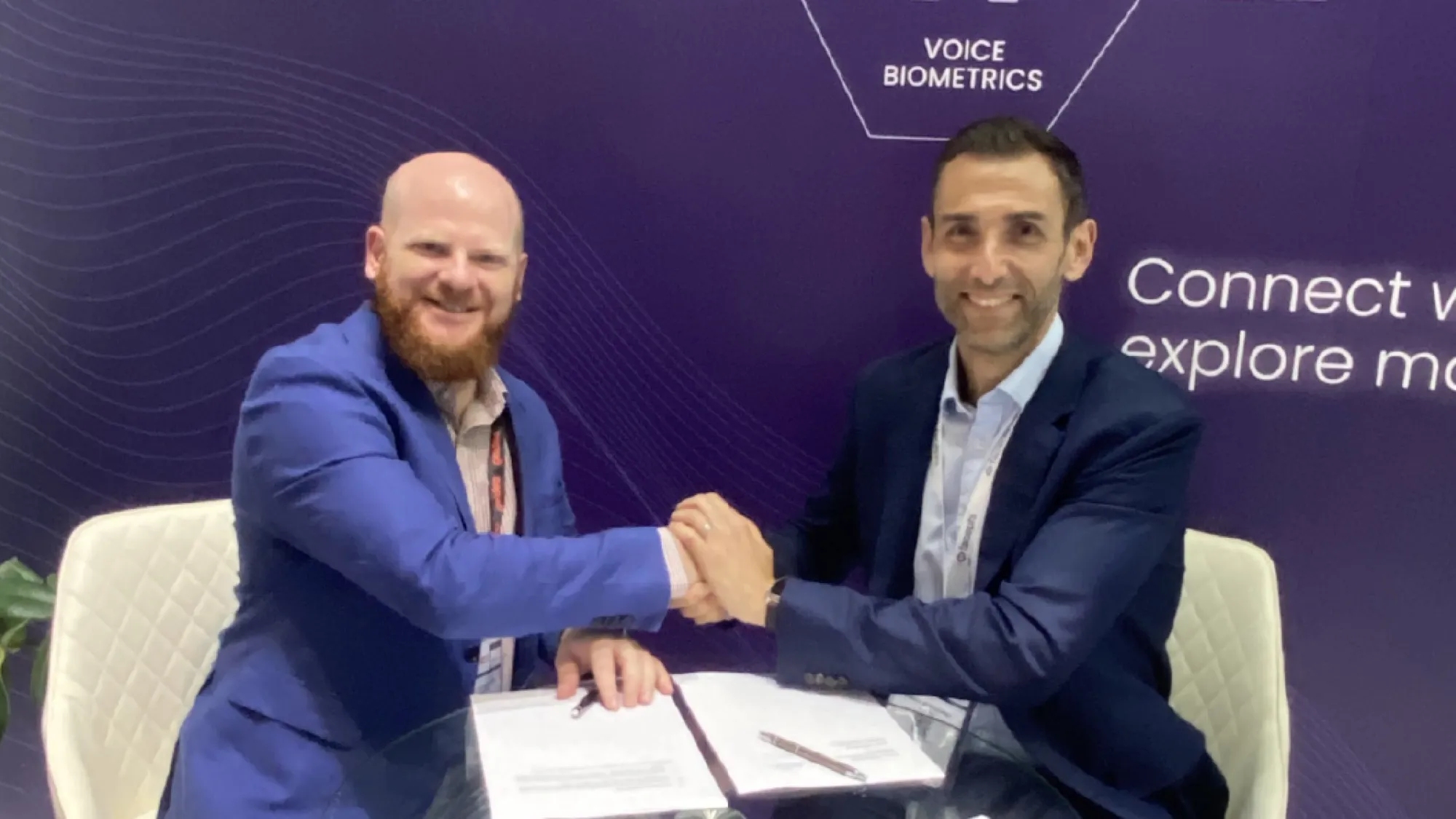 Facephi enters KSA and UAE, opening its first Middle East market with fintech QashioRead on Facephi
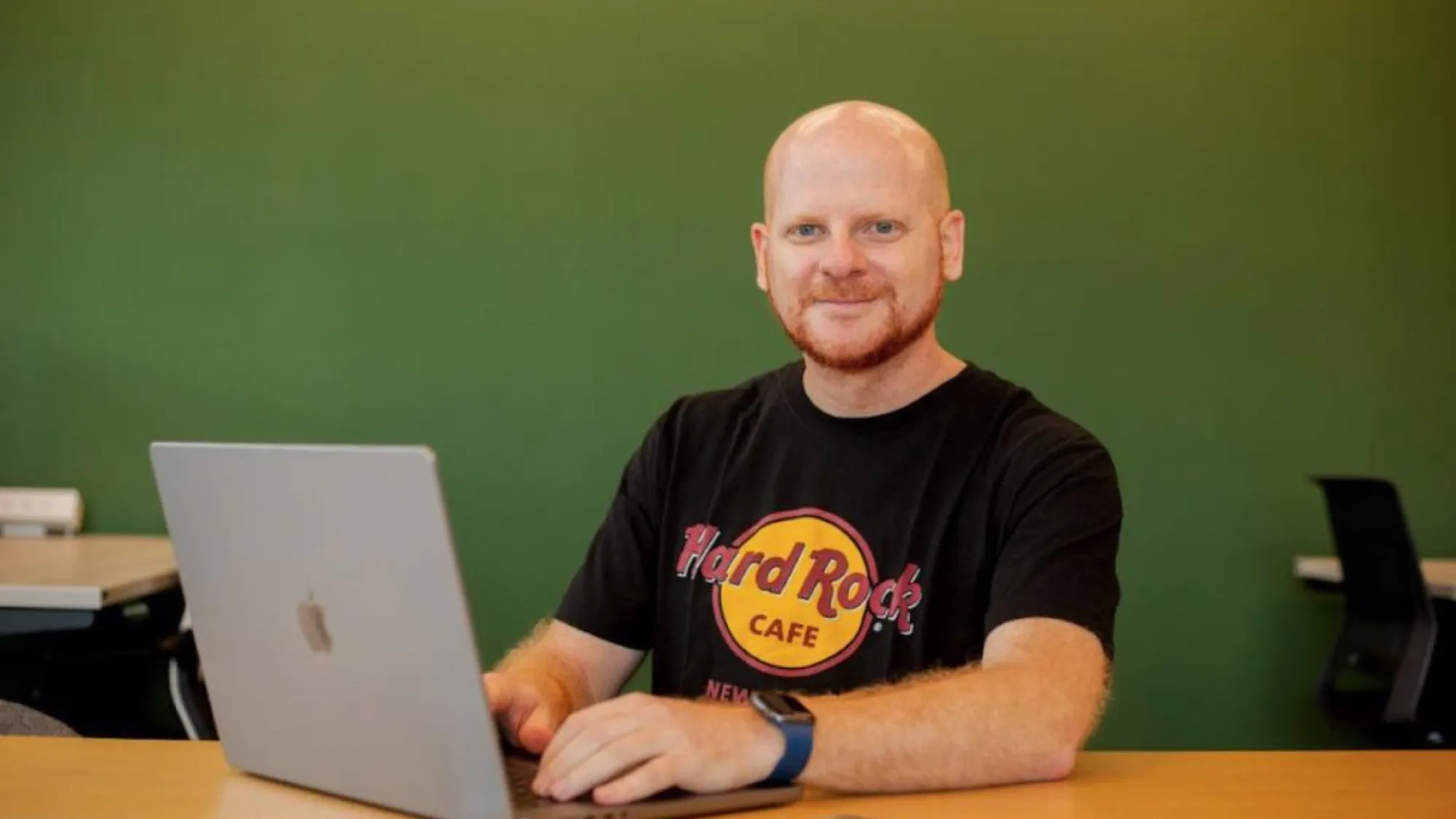 ¡Nuestros mejores deseos, genio!Creando un producto tan grande como Kash y cimentando sus bases para el crecimiento.
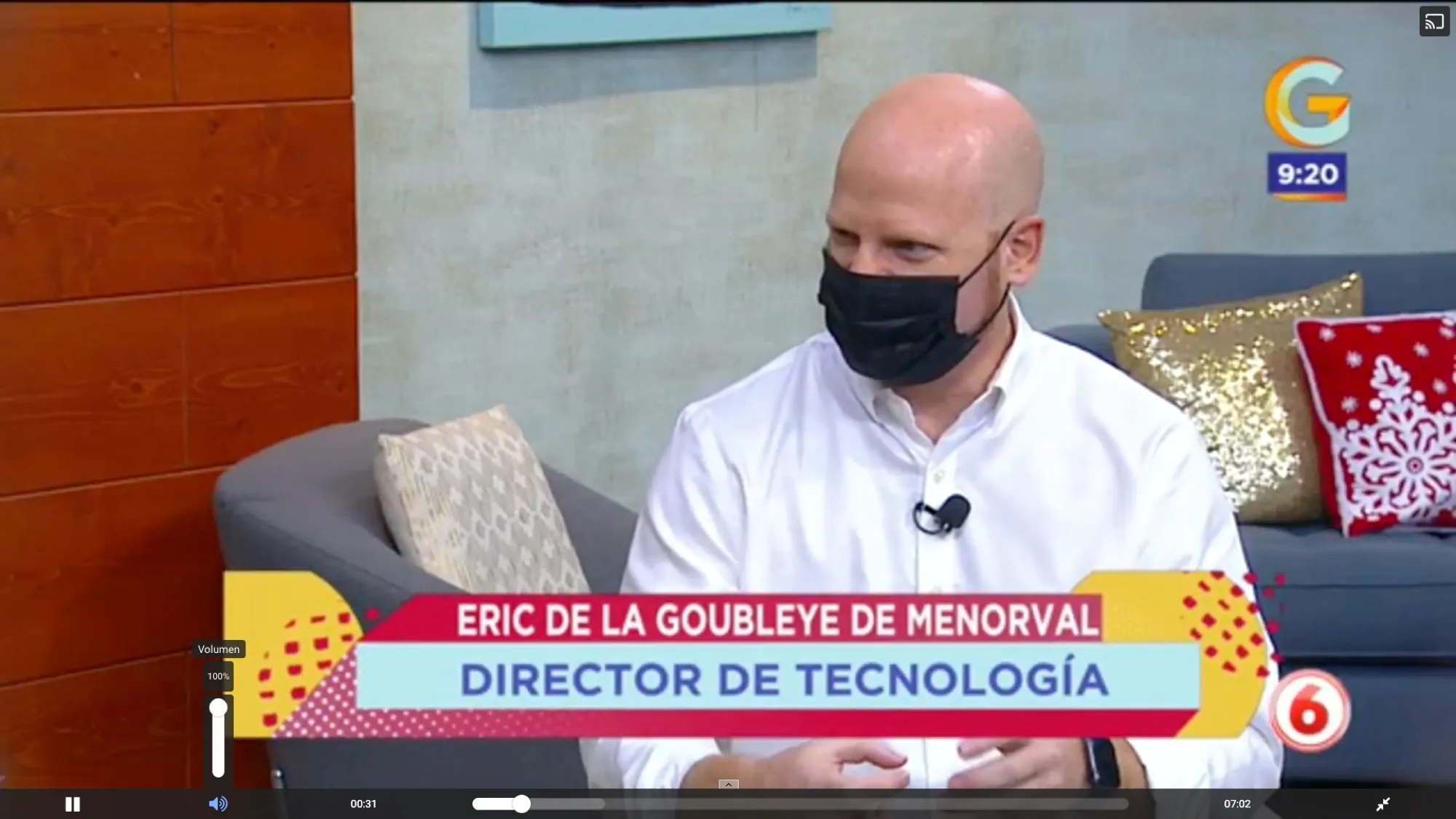 Aplicación financiera ayuda a facilitar trámites con dineroRead on Repretel, Canal 6
 Kash llegó para revolucionar el mercado de pagos electrónicosRead on La Nación
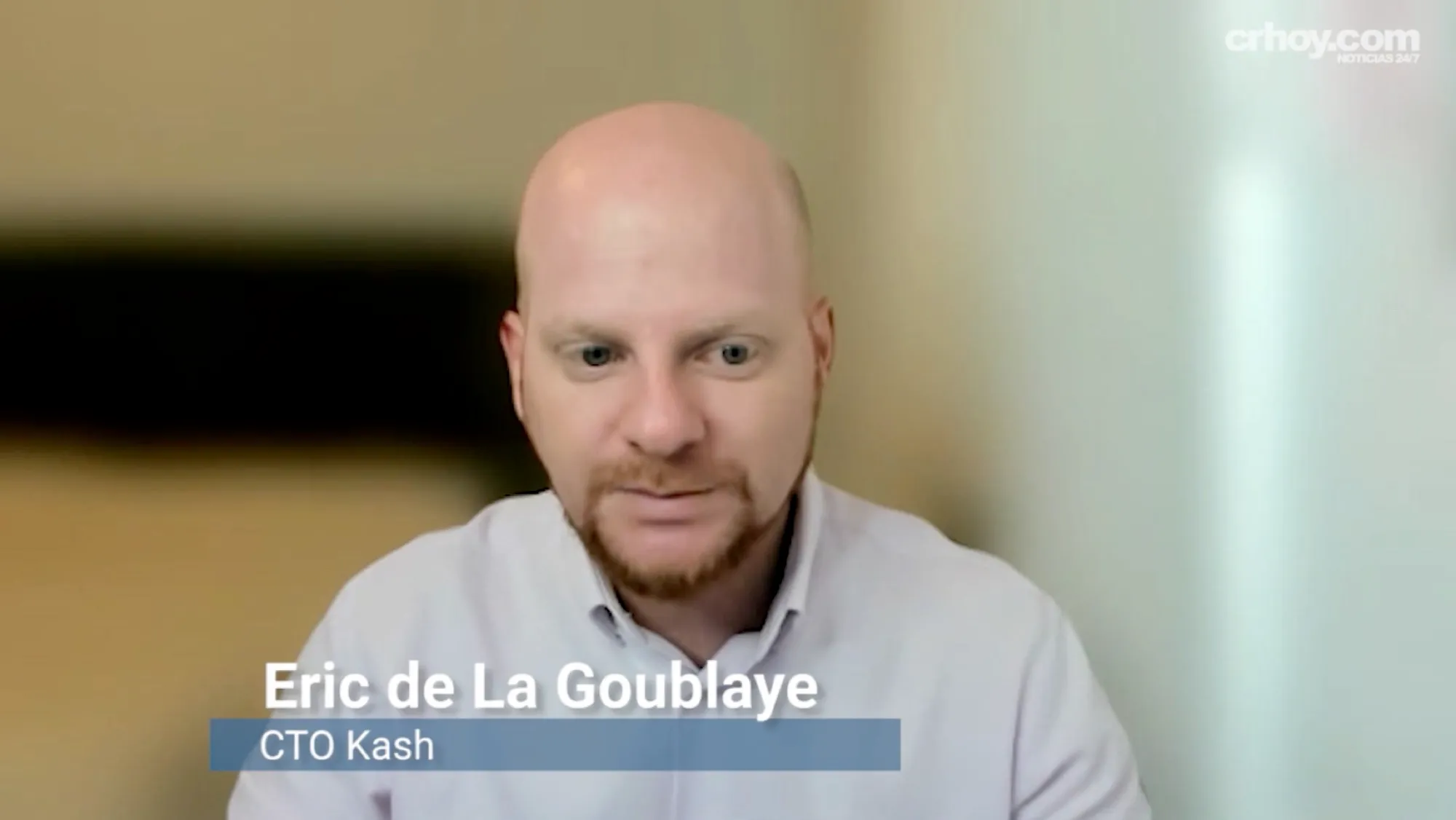 Seguridad y rapidez: la nueva manera de transferir con KashRead on CRHoy
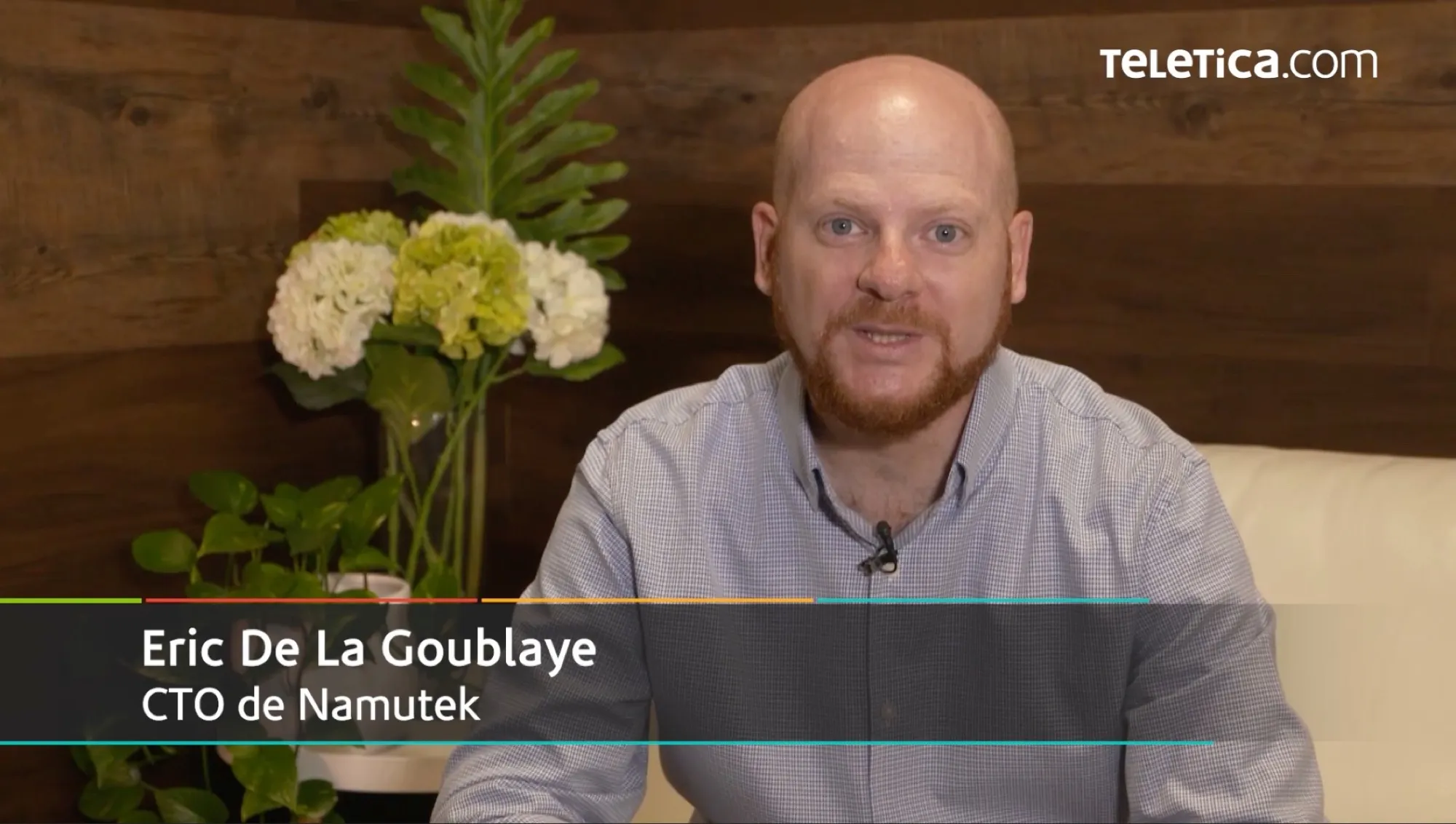 Nueva app Kash permite transferir dinero sin comisionesRead on Teletica
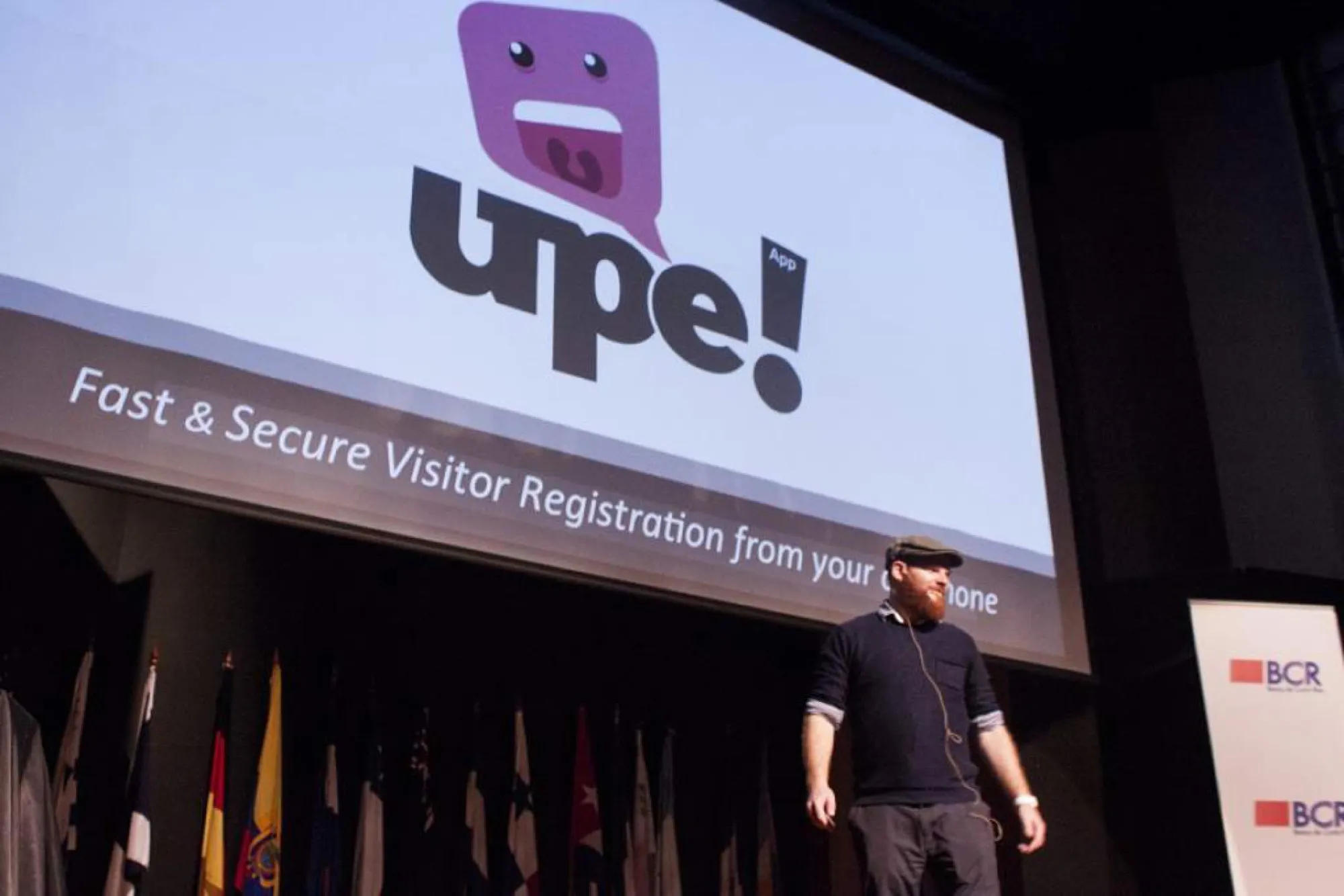
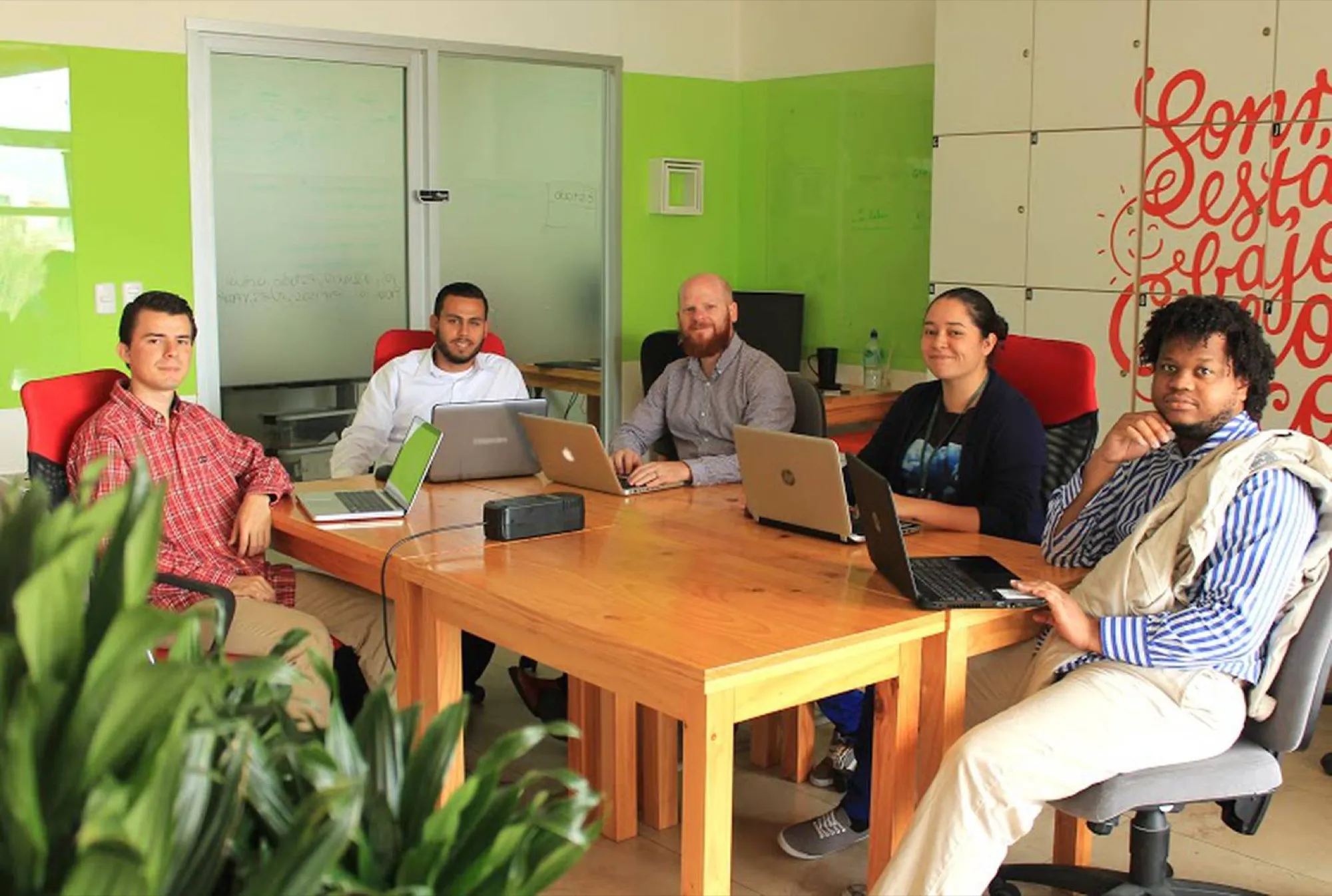 Startup crea aplicación 'Güenas' para agilizar ingreso a condominios y a edificios corporativosRead on El Financiero
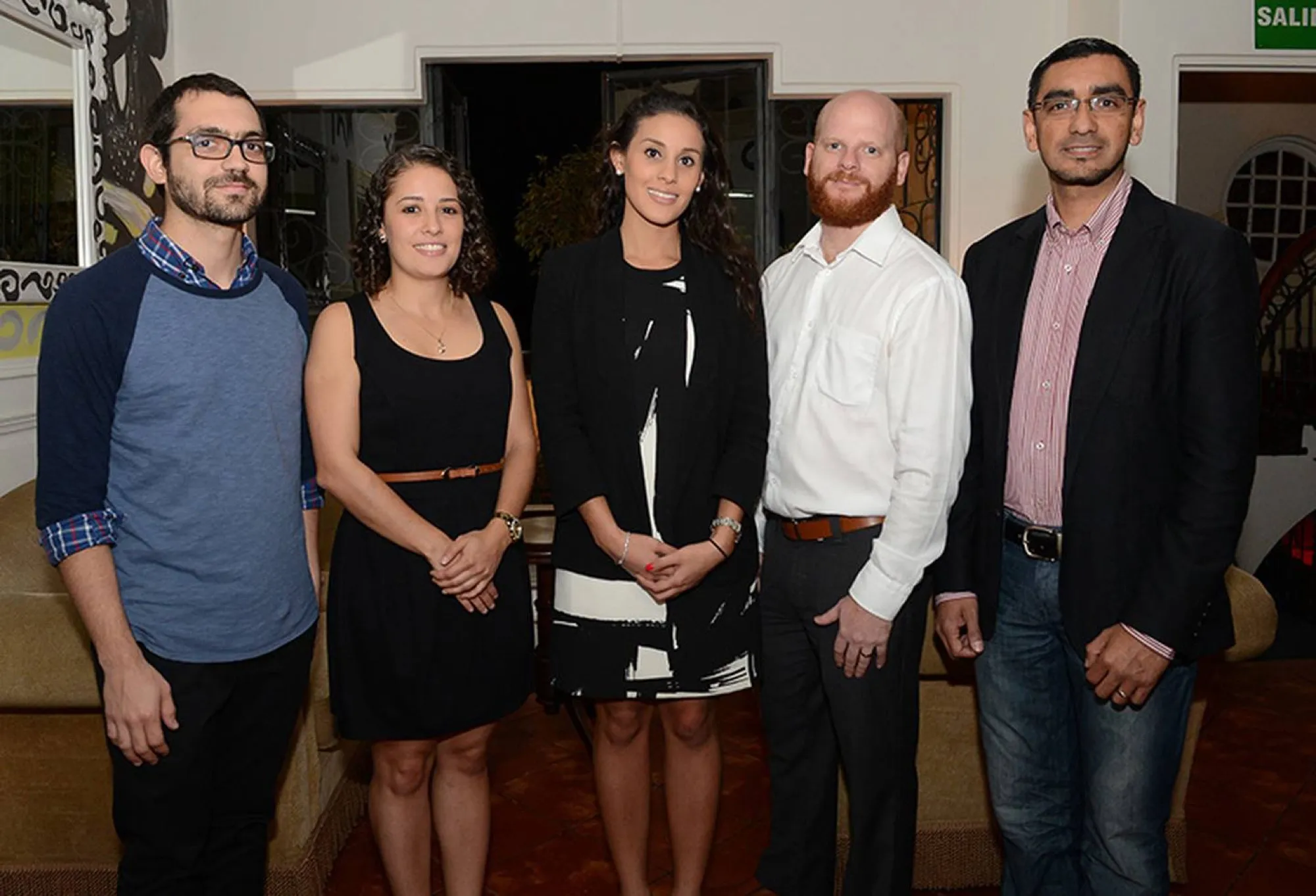 Seis emprendedores se gradúan de The Founder Institute Costa RicaRead on El Financiero
 Costa Rica, suelo fértil para los startupsRead on Estrategia & Negocios
I'm Eric de La Goublaye de Menorval, a fintech CTO (Chief Technology Officer) based in Dubai, United Arab Emirates. French and Costa Rican, with 15+ years in fintech and payments. CTO since 2018: Kash, then Qashio, and Kulu today.
I build and run the engineering teams that move money: payments, card issuing, wallets and corporate cards, with the security and compliance regulators expect. And I make engineering AI-native: at Kulu, AI agents take a customer complaint to a reviewed pull request in under an hour.
In the UAE, Saudi Arabia and Europe with Qashio: real-time Visa card issuing, Fintech Solution of the Year 2023. In six countries of Central America with Kash, from Guatemala to Panama: 2M+ downloads. From Dubai into West Africa with Kulu: 1M+ wallet users.
As CTO of Qashio from 2022 to 2024, I led the platform that issues virtual Visa cards in real time in the UAE, Saudi Arabia and Europe, ready for Apple Pay and Google Pay, with 100+ NESA security controls designed in. Qashio was named Fintech Solution of the Year in 2023.
As CTO of Kash from 2018 to 2022, I built card-to-card transfers in real time over Visa Direct and Mastercard Send, domestic and cross-border, in six countries from Guatemala to Panama: 2M+ downloads, 100% serverless on AWS Lambda.
A team where AI agents do real engineering work inside guardrails no agent can skip. At Kulu, an agent takes a support ticket or a Sentry error to a pull request with tests, a second agent tries to break it, and an engineer reviews last: under an hour from complaint to reviewed pull request.
Yes. Kash reached 2M+ downloads in six countries of Central America, and Kulu is a digital wallet with 1M+ users, run from Dubai into West Africa.
On LinkedIn, the fastest way to reach me. I'm based in Dubai and work in English, Spanish and French.
Costa Rica · USA · China · Malaysia
9 yearswith teams in four countries
Where I learned to measure against world-class benchmarks, and to beat them. Teams in Costa Rica, the USA, China and Malaysia, held to one standard.
San José, Costa Rica
My own company, incubated by The Founder Institute and Telefónica Open Future. We built güenas, access control for condominiums and corporate buildings, plus wasa.app, EntreRedes and Oasis.
Costa Rica · Central America
2M+downloads in 6 countries
It started with a bank that wanted customers from another sector. The idea was simple to say and hard to build: send money from one debit card to another, in real time, without account numbers. First inside one country.
How it works · 1/5
Almost everyone had a debit card. Moving money to another bank meant a fee, or a line at the branch to deposit cash.
How it works · 2/5
Send money from one debit card to another, in real time, without account numbers, over Visa and Mastercard rails.
How it works · 3/5
Limits started low and grew as each user passed ID and card-ownership checks, so nobody hit a KYC wall on day one.
How it works · 4/5
100% serverless on AWS Lambda, so cost followed volume instead of servers.
How it works · 5/5
2M+downloads in 6 countries
Inside Costa Rica first, then cross-border with Visa Direct and Mastercard Send: six countries, from Guatemala to Panama. Kash proved card-to-card transfers could work across six countries on a serverless budget.
Drag to browse, click a video to play it.
Nueva app Kash permite transferir dinero sin comisionesRead on TeleticaSeguridad y rapidez: la nueva manera de transferir con KashRead on CRHoyKash llegó para revolucionar el mercado de pagos electrónicosRead on La NaciónAplicación financiera ayuda a facilitar trámites con dineroRead on Repretel, Canal 6¡Nuestros mejores deseos, genio!Creando un producto tan grande como Kash y cimentando sus bases para el crecimiento.Dubai · Saudi Arabia · Europe
3markets with real-time Visa card issuing: UAE, Saudi Arabia, Europe
In 2022 I moved from Costa Rica to Dubai. New continent, new customer: companies instead of consumers, and a corporate card platform to build from pre-production.
How it works · 1/5
A company issues virtual Visa cards on the spot, one per employee or project.
How it works · 2/5
The card is ready for Apple Pay and Google Pay in seconds.
How it works · 3/5
Every card gets a budget and rules.
How it works · 4/5
Every transaction lands in the customer's ERP (Oracle NetSuite, SAP, QuickBooks, Xero or Zoho Books), so finance teams stop reconciling by hand.
How it works · 5/5
3markets with real-time Visa issuing
UAE first, with 100+ NESA security controls designed in, not bolted on. Saudi Arabia fully on-premise, since there was no local cloud then. Europe issuing from Ireland. Qashio went live in all three, and was named Fintech Solution of the Year in 2023.
Qashio wants to transform corporate expense management in MENARead on IncArabiaFacephi enters KSA and UAE, opening its first Middle East market with fintech QashioRead on FacephiDubai · West Africa
<1 hfrom a customer complaint to a reviewed pull request
Kulu is where AI came into the team itself. A digital wallet with 1M+ users, about 100 people across in-house and partner teams, and an agentic platform in production for more than a year.
How it works · 1/5
A customer complaint arrives as a support ticket, or an error shows up in Sentry. An agent picks it up.
How it works · 2/5
It investigates through session replay, logs and a read-only database, then opens a pull request with tests.
How it works · 3/5
Before any human looks, a second agent tries to break the change. Guardrails no agent can skip: test gates, Gitleaks, Checkov, GitGuardian and Snyk.
How it works · 4/5
Only a change that survived the second agent and every guardrail reaches an engineer, already reviewed.
How it works · 5/5
<1 hcomplaint to reviewed pull request
Under an hour from a customer complaint to a reviewed pull request. About 5x engineering output. AI spend tracked with FinOps alerts. Writing code stopped being the slow part, so we moved AI to where the bottleneck went: review, testing and understanding how people use the product.
Read the thesis: AI moved the bottleneck
AI-native engineering
~5xengineering output at Kulu
AI did not replace engineers. It moved the bottleneck: writing code stopped being the slow part. The job of a CTO today is to move AI to where the bottleneck went.
AI did not replace my engineers. It moved the bottleneck, so I moved the AI to where the bottleneck went.
The thesis · 1/5
AI did not replace engineers. It moved the bottleneck. For years, writing code was the constraint. With AI agents, development stops being the slow part, so the bottleneck moves to product, distribution, review, testing and understanding users. The job of a CTO today is to move AI to where the bottleneck went.
The thesis · 2/5
If development is no longer the limit, product has to decide what is worth building, because we do not want to build things nobody uses. And engineering has to stay close enough to users to know we built the right thing. The hard conversation moved from "how do we build it" to "what do we build, and how do we know it worked".
The thesis · 3/5
Adversarial code review: a second agent tries to break a change before any human looks. End-to-end tests generated and maintained with AI. Synthetic data for automated testing. AI over session replay and analytics to understand real usage. The full loop, from a support ticket or a Sentry error to a reviewed pull request.
The thesis · 4/5
~5xengineering output at Kulu
AI earns its place with numbers: complaint-to-fix time, output per project, and AI spend tracked with FinOps and runway alerts. At Kulu that looks like under an hour from a customer complaint to a reviewed pull request, and about 5x engineering output.
The thesis · 5/5
The multiplier is uneven. Same tool, different engineer, very different output. So I size teams project by project, with the target set in parallel, and the numbers tell me the right size. I do not cut blind, and I do not promise a flat headcount cut.
See it running at Kulu <1 hfrom a customer complaint to a reviewed pull request~5xengineering output1+year with an agentic platform in production
It means AI did not replace engineers, it shifted the constraint. Development is no longer the slow part, so the bottleneck moves to product, review, testing and understanding users, and that is where AI should go.
With numbers: complaint-to-fix time, output per project, and AI spend tracked with FinOps and runway alerts. At Kulu, under an hour from complaint to reviewed pull request and about 5x output.
Build systems around AI: adversarial second-agent code review, AI-generated end-to-end tests, synthetic test data, and a loop from ticket or Sentry error to reviewed pull request, behind guardrails no agent can skip.

Latin America · Middle East · Europe · West Africa
~100people across in-house and partner teams at Kulu
I build the teams that move money and scale to millions of users. Here is how I actually lead them.
I lead by making the invisible measurable, then the right decision becomes obvious.
How I lead · 1/6
I run flat teams with clear ownership. One team, one responsibility, by domain: core, integrations, the AI harness, reliability, observability. Fewer layers and less process overhead, more accountability. Everyone knows who owns what.
How I lead · 2/6
I ask candidates to deliver a whole project built with AI, then we sit down and I ask what decisions they made and why. Everyone has the same tools now. The difference is judgment, product sense and attention to detail. That is what I hire for.
How I lead · 3/6
I do not hand down a harness. We build the guardrails, the PR review and the automated tests together, so the team owns them and keeps improving them. I lead by creating the environment where strong engineers do their best work, not by dictating.
How I lead · 4/6
Especially in B2B, I keep engineering close to real usage, with observability like PostHog and UXCam, and by stepping into the customer's shoes. One example: Costa Rican merchants wanted real-time settlement so they could buy stock the same day, not two or three days later. That insight changed the product, not just the code.
How I lead · 5/6
I translate technology into business terms: cost, time-to-market, risk and return. I bring the framed decision and the data, align the CEO, CPO and CFO, and own the tradeoff. I align everything to one clear vision, so teams never ship great work that points the wrong way.
How I lead · 6/6
I raise the hiring bar and grow engineers into leaders. Good leadership is steady: acknowledge the tradeoff, decide, and keep the team moving.
~100people across in-house and partner teams 50+people in the technology team
 6countries on one platform
Flat teams with clear ownership by domain, built around shared guardrails, PR review and automated tests that the team owns and keeps improving.
Candidates deliver a full project built with AI, then walk through the decisions they made and why. Everyone has the same tools, so I hire for judgment, product sense and attention to detail.
Translate technology into cost, time-to-market, risk and return, bring the framed decision and the data, align CEO, CPO and CFO, and own the tradeoff.
Drag to turn the globe, scroll to zoom, click a place.Drag to turn the globe, pinch to zoom, tap a place.